Mountains, trees and weather
What's connecting trees under the ground?
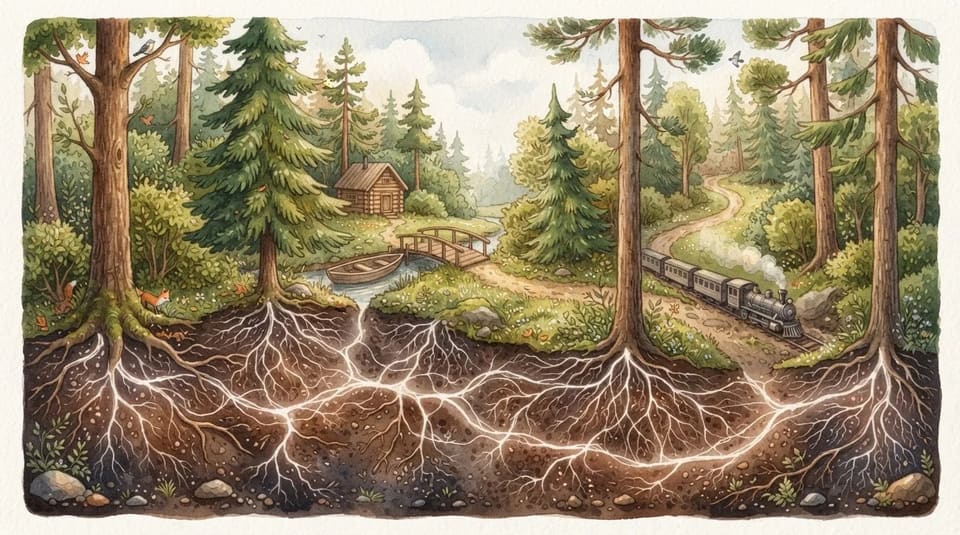
Fungus threads that link trees. A true how-it-works story for kids 6–13.
How things work stories
The Mycorrhizal network story, read aloud
On this drive, we're passing lots of trees. Under them is a hidden world of tiny threads. They come from a fungus, a living thing in the same family as mushrooms. So are trees standing all alone, or are they holding hands underground? A scientist named Suzanne Simard wanted to know. She grew up in the forests of Canada, where her family had worked with trees for a long time.
About thirty years ago, when your parents were little, she studied the forest floor. She found fungus threads joining one tree's roots to another tree's roots! Here is how it works. The threads are thinner than a hair, and they wrap around the roots. Then they stretch through the dirt to the next tree, like a hidden web of string. The tree shares sugar it makes from sunlight, and the fungus brings the tree water.
It's like trees passing notes under their desks. Suzanne even saw a fir tree, hurt by bugs, seem to warn a pine tree nearby. People think the pine got ready to protect itself. Try counting the trees you see out the window. Each one may be linked to its neighbors under the ground. A forest isn't just trees standing alone, it's a family.
Quiz the back seat
What links tree roots together under the ground?
Show the answer
Fungus threads. Fungus threads! The fungus helps bring the tree water, and the tree shares its sugar.
Mycorrhizal network facts for kids
- Mycorrhizal networks are made by fungus threads joining with plant roots.
- Suzanne Simard, a forest scientist in Canada, discovered these networks in 1997.
- In one study, a Douglas fir hurt by insects appeared to send warning signals to a nearby ponderosa pine.
The Mycorrhizal network story, read aloud
On this drive, past the trees along the road and the woods on the hills, something secret is happening under the ground. It's called a mycorrhizal network, which is a long word for a web of tiny fungus threads that links tree roots together. So could a tree be connected to the tree next door? A scientist named Suzanne Simard wanted to find out. She grew up in the forests of Canada, where her family had worked as foresters for generations. Most people thought each tree stood alone, fighting its neighbors for sunlight.
But Suzanne kept digging, and she found hyphae, which are fungus threads thinner than a hair, wrapped around the roots. The fungus can't make its own food, so it takes sugar the tree makes from sunlight. In return, its threads stretch through the soil like millions of tiny straws, pulling water and minerals back to the roots. And because one fungus can hook onto many trees at once, the trees end up joined, like houses on one street sharing the same internet. Forest Wi-Fi, with no password and no buffering. Almost thirty years ago, Suzanne showed the trees really were connected.
Later, her team watched a Douglas fir hurt by insects seem to send chemical warning signals to a ponderosa pine nearby, and the pine started making defenses against the bugs. Try counting the trees you pass right now, because every one might have a fungus partner below. Scientists still argue about how much trees truly share. But under every forest, a hidden web is quietly holding them together.
Quiz the back seat
What does the fungus get from the tree in their trade?
Show the answer
Sugar. Sugar! Trees make sugar from sunlight, and fungi can't, so the fungus pays them back with water and minerals from the soil.
Mycorrhizal network facts for kids
- Mycorrhizal networks are made by fungus threads called hyphae joining with plant roots.
- Suzanne Simard of the University of British Columbia discovered these networks in 1997.
- In one study, an insect-injured Douglas fir appeared to send chemical warning signals to a nearby ponderosa pine.
Questions kids ask about Mycorrhizal network
What connects trees under the ground?
Tiny fungus threads wrap around tree roots and stretch through the dirt to join one tree to another.
Who discovered that trees are connected underground?
A forest scientist from Canada named Suzanne Simard found the hidden network.
Can trees warn each other?
Suzanne saw a fir tree hurt by bugs seem to warn a nearby pine, and people think the pine then got ready to protect itself.
For grown-ups
Written with AI from public sources, then a second AI checked its main claims against the sources below before it was published. Stories that don't pass stay off the app and this site. Our about page explains who writes and checks our stories. Narration is pre-recorded, and nothing you do on this page is tied to your kids.
Sources
- en.wikipedia.org/wiki/Mycorrhizal_network
- nationalforests.org/article/underground-mycorrhizal-network
- spun.earth/mapping/a-hidden-infrastructure
- natureinstitute.org/in-context-46/craig-holdrege/susan-simards-journey
- pmc.ncbi.nlm.nih.gov/articles/PMC4497361
- mothertreeproject.org/about-mother-trees
- npr.org/transcripts/993430007
- oneearth.org/environmental-hero-suzanne-simard
More stories about how things work
 Who built that? The Bridge That Grows
Out the window is the highway, with bridges and overpasses carrying our road over rivers and other roads. And every bridge has a secret…
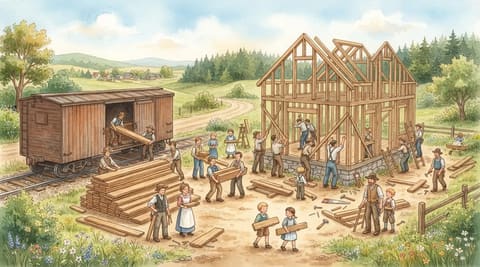 Houses A House That Came by Train
Look at all the houses on this street! Every house is made of lots of pieces.
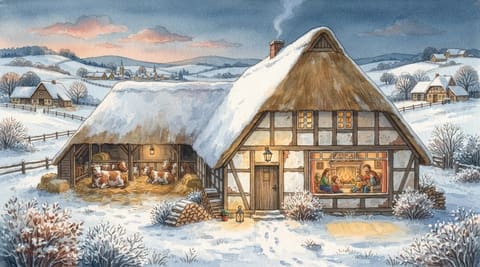 Houses When Cows Lived Inside
On this street, the houses stand side by side, each with a door and a roof. A house is a building where a family lives, sleeps and stays…
 Who built that? Lunch Break in the Clouds
Look out the window at all those skyscrapers. Every one of them is hiding a skeleton made of steel beams.
Between stories: 25 road trip games for kids · Road trip bingo cards · License plate game · Road trip trivia · Christmas light scavenger hunt · Christmas trivia
Town and county names: GeoNames (CC BY 4.0).