Women inventors for kids: 5 true picture books
Kids can meet five women inventors, engineers and scientists in true picture books: Emily Warren Roebling, the Brooklyn Bridge engineer; Madam C. J. Walker, the hair-care entrepreneur; Margaret Hamilton, the Apollo flight software engineer; Patricia Bath, the inventor of the laserphaco cataract probe; and Katalin Karikó, the Nobel-winning mRNA vaccine scientist. Each Tumbly Inventors book is fact-checked against cited sources, written at three reading levels and read aloud.
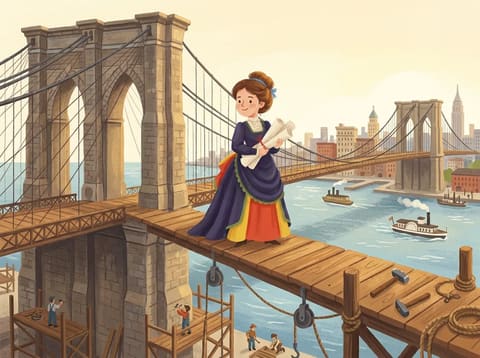
Emily Warren Roebling
Brooklyn Bridge engineer · 1843–1903
Emily Warren Roebling (1843–1903) helped finish building the Brooklyn Bridge in New York. When her husband, the chief engineer, became too sick to visit the bridge, she studied engineering and carried his instructions to the workers every day. When the bridge was finished in 1883, she was the first to cross it in a carriage.
The lesson: If the job needs doing and you can learn it, learn it.
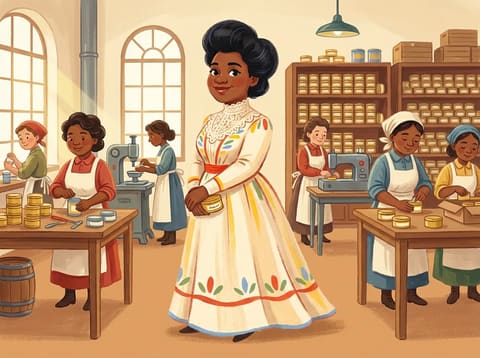
Madam C. J. Walker
Hair-care entrepreneur · 1867–1919
Madam C. J. Walker (1867–1919) was a businesswoman who made hair-care products for Black women. Born Sarah Breedlove in Louisiana, she was the first child in her family born free. She built a factory in Indianapolis and trained thousands of women to sell her products and earn their own money.
The lesson: Solve a real problem, then teach other people to earn from it too.
Read the first pages of “Madam C. J. Walker: The Washtub to the Big Hall” free
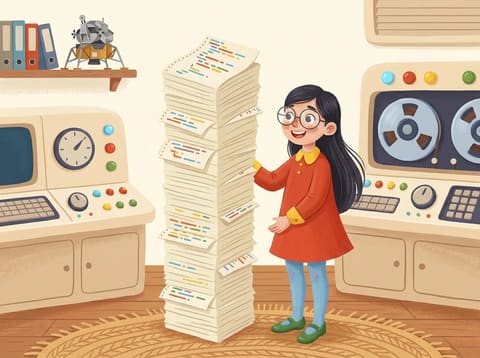
Margaret Hamilton
Apollo flight software engineer · 1936–2026
Margaret Hamilton (1936–2026) was an American computer scientist and software engineer who led the MIT team that wrote the flight software for NASA's Apollo missions to the Moon. During the Apollo 11 landing in 1969, the computer got overloaded, and her team's software dropped less important jobs and kept the landing tasks running.
The lesson: Plan for the thing that goes wrong.
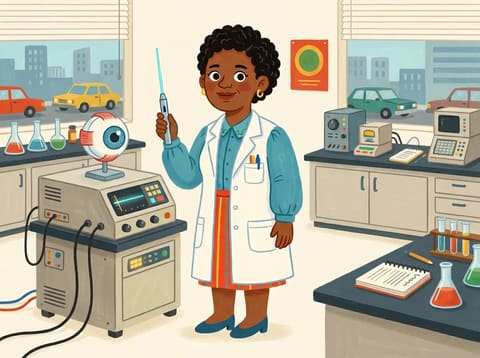
Patricia Bath
Inventor of the laserphaco cataract probe · 1942–2019
Patricia Bath (1942–2019) was an American eye doctor, laser scientist and inventor from Harlem, New York. She invented the laserphaco probe, a laser tool for removing cataracts, and in 1988 became the first Black woman doctor to receive a patent for a medical invention. She also started community ophthalmology, which brings eye care to people who could not get it.
The lesson: If one door is closed, find another, and keep working until you can help.
Read the first pages of “Patricia Bath and the Light That Helped People See” free
Katalin Karikó
Nobel-winning mRNA vaccine scientist · born 1955
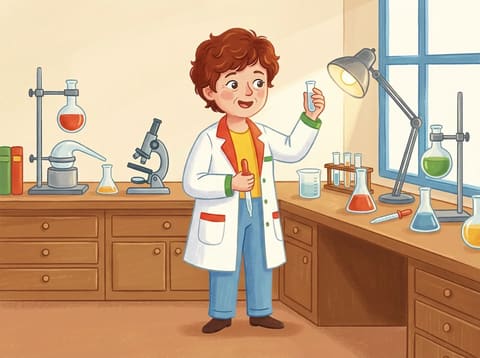
Katalin Karikó is a Hungarian-born scientist who spent years working on messenger RNA, or mRNA, even when few people believed in it. With Drew Weissman, she found a way to change mRNA so the body's defenses would not attack it. Their work made mRNA COVID-19 vaccines possible, and in 2023 they won a Nobel Prize.
The lesson: Keep going when people tell you your idea will not work.
Read the first pages of “The Message That Would Not Give Up” free
Make a book about any hero
Kids can make a true book about a woman inventor who isn't on the shelf yet. In Tumbly Inventors they can pick Grace Hopper (taught computers to understand words) or Hedy Lamarr (a movie star who invented a secret radio trick) from the ideas, or a grown-up can type any real person's name. Tumbly researches, writes, fact-checks, illustrates and narrates the new book in about five minutes.
Read them all in Tumbly Inventors.
True picture books about people who built things, at three reading levels, read aloud with the words lighting up. Finish one to win the hero card.


Scan with your iPhone cameraor open it in your browser
Questions parents ask
Who are some famous women inventors for kids to learn about?
Emily Warren Roebling (1843–1903) helped finish building the Brooklyn Bridge in New York. Madam C. J. Walker (1867–1919) was a businesswoman who made hair-care products for Black women. Margaret Hamilton (1936–2026) was an American computer scientist and software engineer who led the MIT team that wrote the flight software for NASA's Apollo missions to the Moon. Patricia Bath (1942–2019) was an American eye doctor, laser scientist and inventor from Harlem, New York. Katalin Karikó is a Hungarian-born scientist who spent years working on messenger RNA, or mRNA, even when few people believed in it. Tumbly Inventors has a true picture book about each one, and kids can make one about Grace Hopper or Hedy Lamarr.
What ages are these books for?
Kids 3 to 12. Every book has three reading levels you can switch on any page: Read to me (ages 3–5), Read together (ages 6–8) and I'll read (ages 9–12). A narrator reads each page aloud while the words light up.
Are the stories true?
Yes. Every book starts from a fact sheet where each fact has a source link. Tumbly uses AI to write the story from that sheet, then checks every page against it and rewrites pages that fail before the book opens. Each ready-made book's page on tumbly.ai lists its sources in a timeline.
Can my kid make a book about another woman inventor?
Yes. In Tumbly Inventors they can pick Grace Hopper (taught computers to understand words) or Hedy Lamarr (a movie star who invented a secret radio trick) from the ideas, or a grown-up can type any real person's name. Tumbly researches, writes, fact-checks, illustrates and narrates the new book in about five minutes. The free plan includes one new book a month.
Is Tumbly Inventors free?
Yes, to start. The free plan includes every ready-made book and one new book a month, and the first pages of each book are free to read here. Tumbly Family costs $7.99 a month, or $59.99 a year with a 7-day free trial, for ten new books a month. It's a free app on the App Store and Google Play.