Who built that?
Can a bridge carry water instead?
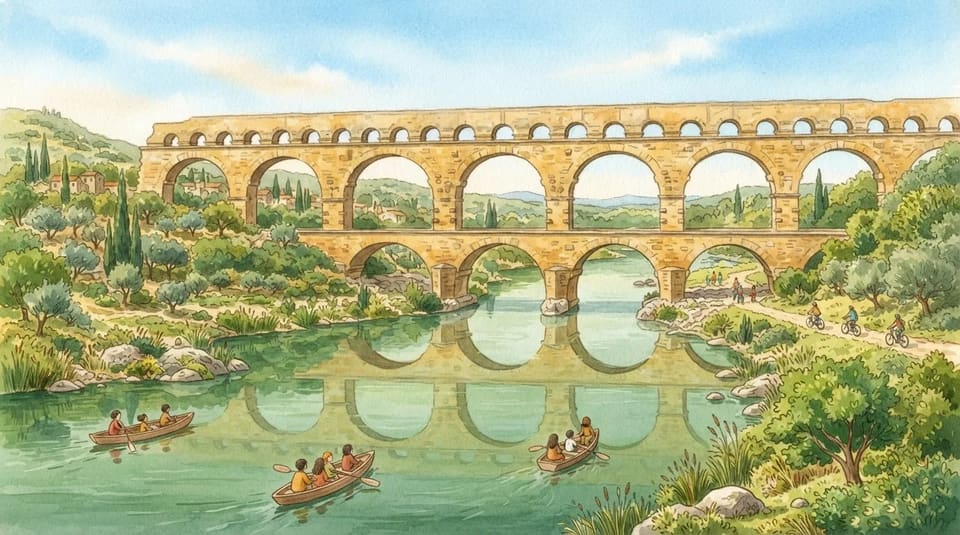
Pont du Gard water bridge, France. A true how-it-works story for kids 5–9.
How things work stories
The Pont du Gard story, read aloud
On this drive, we cross bridges that carry cars over rivers and roads. But can a bridge carry water instead? Yes! Long ago, before there were cars, builders called the Romans made one in France, the Pont du Gard. It was part of an aqueduct, a giant stone path just for water. Let's follow one little drop of water on its trip. The drop started at a spring out in the hills.
It had to reach a town far away, where people wanted water for fountains and baths. But there were no pumps to push it. So the builders made the whole path tilt downhill, just a tiny bit, all the way. Gravity, the pull that makes your ball roll downhill, did all the work. The slope was so gentle, it was like a slide that barely slides. Then the drop reached a deep river valley. Did it fall in?
No! It flowed right across the top of the Pont du Gard, three rows of stone arches stacked like building blocks. Our drop got the best view, and it never had to buckle a seatbelt. Try counting the arches on bridges we pass today! The water stopped flowing long ago, when the path got clogged with stony gunk. But the bridge still stands in France, so strong that people come to walk beside it.
Quiz the back seat
What pulled the water all the way to the town?
Show the answer
Gravity. Gravity! The path tilted so gently that the water kept slowly rolling downhill the whole way.
Pont du Gard facts for kids
- The Pont du Gard is a Roman aqueduct bridge in southern France, built in the first century AD.
- It carried water about 31 miles to the town of Nîmes for fountains, baths and homes.
- It has three tiers of arches and is about 160 feet tall.
For grown-ups
Written with AI from public sources, then a second AI checked its main claims against the sources below before it was published. Stories that don't pass stay off the app and this site. Our about page explains who writes and checks our stories. Narration is pre-recorded, and nothing you do on this page is tied to your kids.
Sources
More stories about how things work
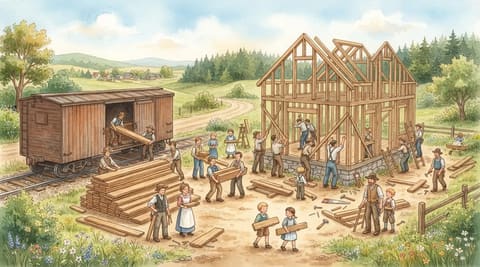 Houses A House That Came by Train
Look at all the houses on this street! Every house is made of lots of pieces.
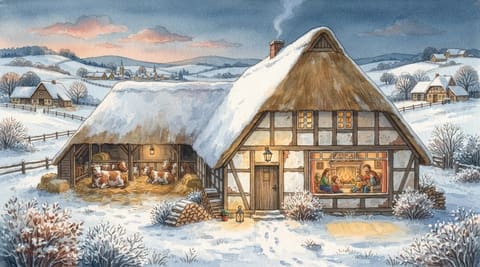 Houses When Cows Lived Inside
On this street, the houses stand side by side, each with a door and a roof. A house is a building where a family lives, sleeps and stays…
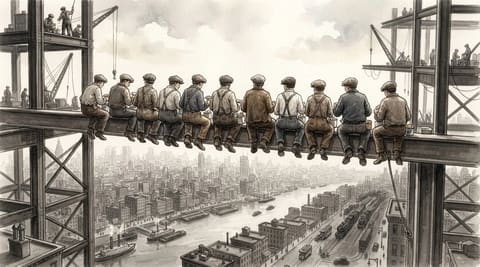 Who built that? Lunch Break in the Clouds
Look out the window at all those skyscrapers. Every one of them is hiding a skeleton made of steel beams.
 Mountains, trees and weather The River That Built Its Walls
We're riding near a river. Some rivers build their own walls, called levees!
Build one with bricks
Read a true book
How it works
Between stories: 25 road trip games for kids · Road trip bingo cards · License plate game · Road trip trivia · Christmas light scavenger hunt · Christmas trivia
Town and county names: GeoNames (CC BY 4.0).