Julian Simon for kids: a true picture book
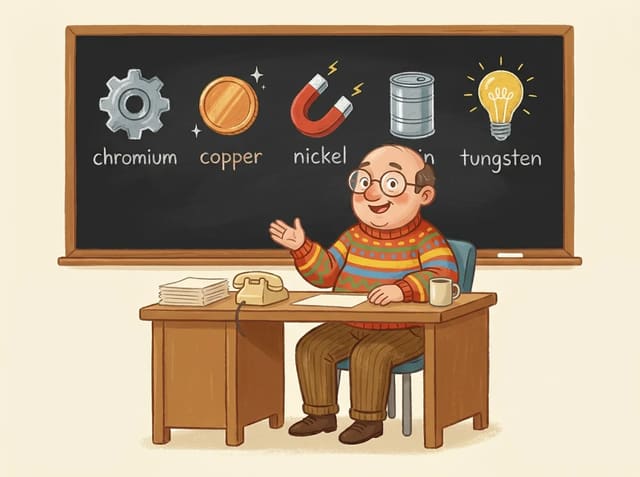
Julian Simon and the Bet. A true story about metals, a big bet, and the most important resource of all 10 pages, fact-checked, at three reading levels, read aloud.
The lesson: People are the ultimate resource. When things get scarce, people invent.
Read the first pages free
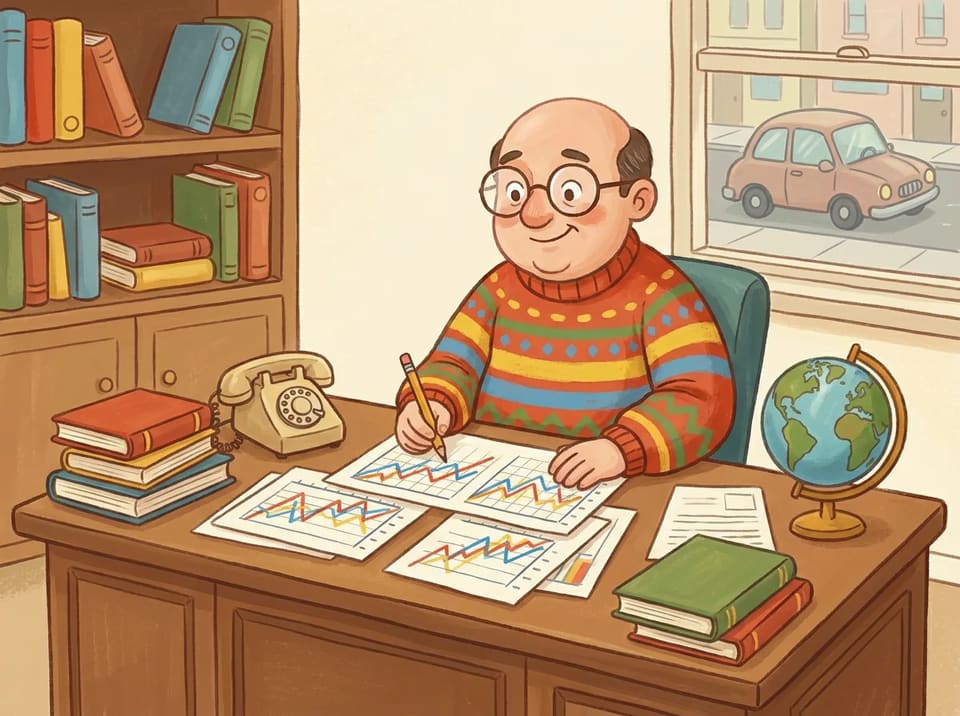
This is Julian Simon. He looked at prices. Up, down, up, down!
This is Julian Simon. He was an economist. He studied prices and how they go up and down. Up, down, up, down!
Julian Simon was an economist. An economist is someone who studies money, prices, and how people buy, sell, and make things. Economists look at graphs that zigzag up and down and ask what they mean. In 1980, Julian Simon was about to use what he knew in a very famous way. He was going to make a bet about prices.
Page 1 of 10
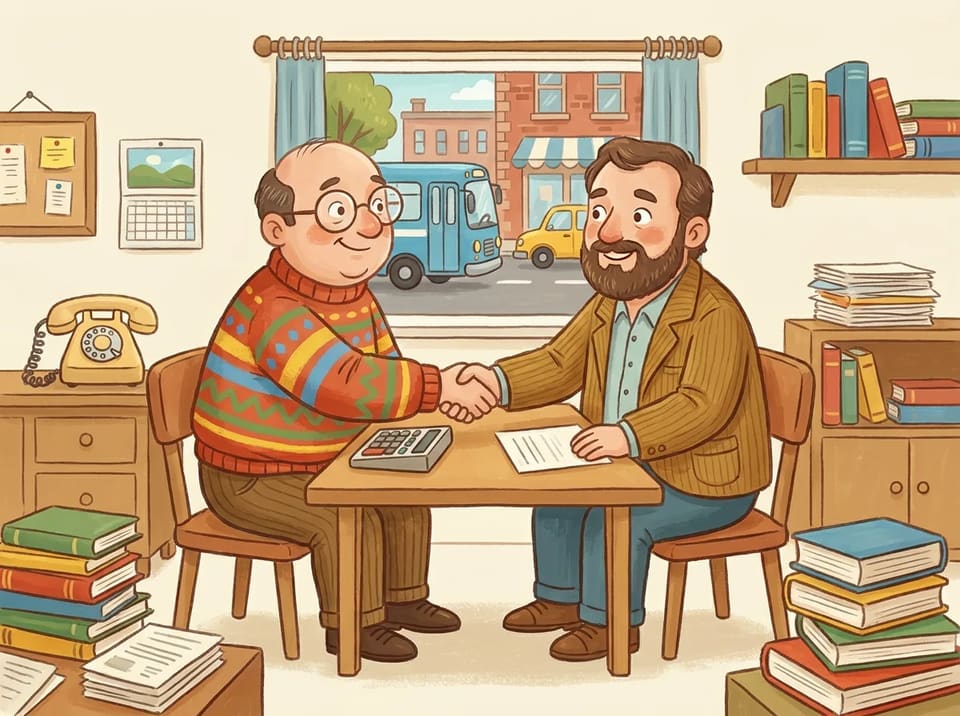
Julian met Paul. Paul studied living things. They made a bet. Shake!
Paul Ehrlich was a biologist. He studied living things. In 1980, Julian and Paul made a bet. Would some prices go up? Or would they go down?
Paul Ehrlich was a biologist, a scientist who studies living things. In 1980, economist Julian Simon and biologist Paul Ehrlich made a bet. They did not agree about what would happen to the prices of five metals over the next ten years. Would the prices climb higher, or would they sink lower? Only time could tell who was right.
Page 2 of 10
Julian Simon: a timeline of true facts
- 1980 Economist Julian Simon bet biologist Paul Ehrlich about whether the prices of five metals would go up or down over ten years. source
- 1980 The metals were copper, chromium, nickel, tin and tungsten. Ehrlich predicted they would get more expensive as they ran short. source
- 1990 By 1990 the inflation-adjusted prices of all five had fallen, and Ehrlich mailed Simon a check for $576.07. source
- 1981 Simon wrote a book called The Ultimate Resource, arguing that human ingenuity is the most important resource. source
3 reading levels
- Read to me (ages 3–5)
- Read together (ages 6–8)
- I'll read (ages 9–12)
The same true story, written three ways. Little kids hear short, bouncy lines; big kids get the details and the numbers.
Quiz time
How many metals were in the bet?
Show the answer
Five.
Try this at home
- Metal hunt: walk around your home and find things made of metal. Ask a grown-up if any of them might be copper, nickel, tin, or another metal from the story.
- Make a friendly bet: guess whether something will go up or down this week, like how tall a bean sprout grows or how many leaves fall in your yard. Write down both guesses, check at the end, and see who was right.
- Be an inventor: pick something that is running low at home, like tape or paper. Brainstorm three clever ways to use less of it or to make something that does the same job, then build one.
More true heroes
Business and makers for kids · Scientists for kids · All heroes